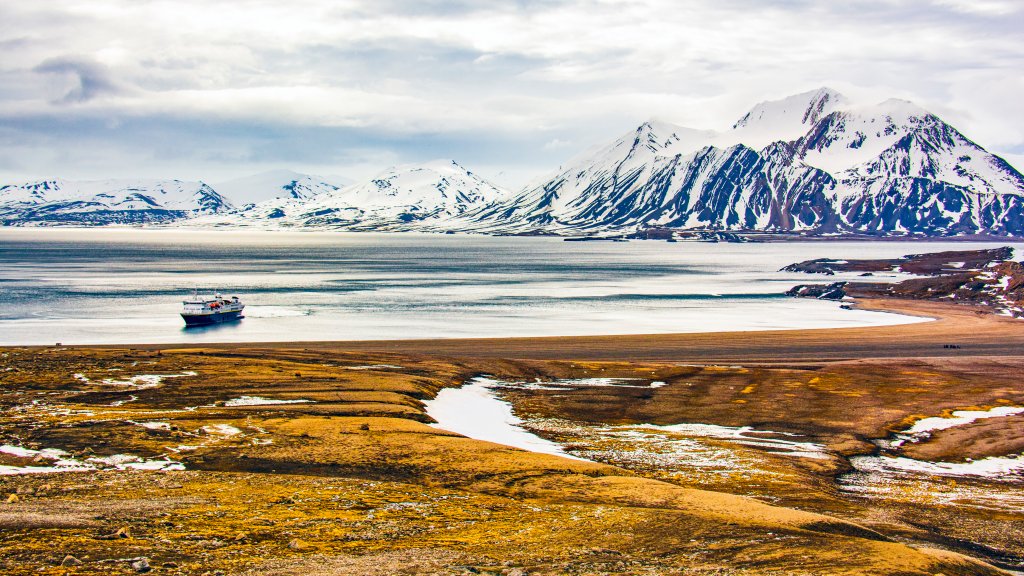
Svalbard Islands, Arctic Ocean
Sign in to add this photo to your favorites and desktop wallpaper rotation.
The Svalbard Islands are an archipelago located in the Arctic Ocean, north of mainland Europe. They are part of Norway and are situated about midway between continental Norway and the North Pole. The largest island in the group is Spitsbergen, which is often used to refer to the entire archipelago. Other significant islands include Nordaustlandet, Edgeøya, and Barentsøya. Svalbard is known for its rugged terrain, glaciers, and remote, pristine wilderness. The islands have a polar climate, characterized by long, cold winters and short, cool summers. Due to its location, Svalbard experiences polar night in the winter, when the sun does not rise above the horizon for several months, and the midnight sun in the summer, when the sun remains visible at midnight. The archipelago has a small population, with the largest settlement being Longyearbyen, which serves as the administrative center. Other settlements include Barentsburg, a Russian mining community, and Ny-Ålesund, a research town. The economy of Svalbard is primarily based on coal mining, research, and tourism. The islands are also a hub for Arctic research, with scientists from around the world conducting studies on climate, wildlife, and geology. Svalbard is home to a variety of wildlife, including polar bears, Arctic foxes, reindeer, and numerous bird species. The surrounding waters are rich in marine life, such as seals, walruses, and whales. The islands are protected by several nature reserves and national parks to preserve their unique ecosystems. Due to its remote location and harsh climate, Svalbard has strict regulations to protect its environment and wildlife. Visitors are advised to be well-prepared for the extreme conditions and to respect the natural habitat. The Svalbard Treaty, signed in 1920, grants Norway sovereignty over the islands but allows citizens of signatory countries to live and work there without a visa.